


What is surge protection in EV charging?
Surge protection is a safety feature that shields your electric vehicle, charging cable and home electrical system from sudden voltage spikes. These spikes, known as surges, can happen due to lightning strikes, grid switching, or faults elsewhere in the power network. A surge protector absorbs or diverts the excess voltage before it reaches sensitive electronic components, forming a barrier between your EV and potentially harmful energy surges.
Why surge protection matters for EV charging
Modern electric vehicles rely on complex electronics, including battery management systems, charging modules and onboard computers. These components are sensitive to overvoltage, and a single power surge can shorten their working life or cause lasting damage. Whether you charge at a home charging station or with a mobile charger, surge protection plays a part in keeping your vehicle's electronics safe over time.
Built-in protection in Voldt® portable chargers
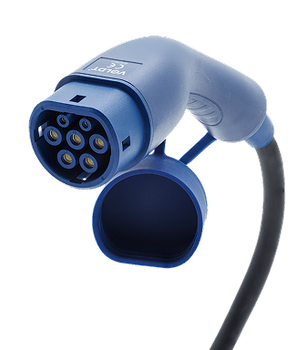
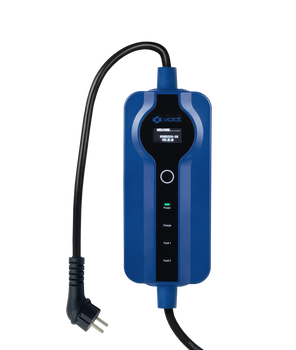
Voldt® portable chargers for domestic sockets are built with safety features including overvoltage protection, overheating protection and fault detection, and are CE and TÜV certified. This helps reduce the risk of damage to your EV and household installation if a voltage spike occurs.
What surge protection doesn't cover
Built-in surge protection lowers the risk of damage, but it has limits. It isn't a substitute for proper household earthing or an RCD (residual current device) on your circuit, and it may not withstand an extreme event such as a direct lightning strike nearby. For full whole-house cover, pair it with the protection described below.
Extra layers of protection
In areas prone to lightning or grid instability, it's worth considering a Type 2 or Type 3 surge protection device (SPD) at your home's main distribution board. These devices protect the whole house and work alongside the protection already built into your charger, a sensible step towards avoiding costly repairs down the line.
