



Key Points
-
IP ratings (IP65, IP66, IP67) define how well EV charging equipment resists dust and water ingress, based on the IEC 60529 standard.
-
IP67 offers the highest practical protection for EV charging cables, ensuring full dust tightness and resistance to temporary immersion in water.
-
IP testing includes controlled dust chamber exposure, calibrated high-pressure water jet testing, and full immersion testing to verify real-world durability.
-
True weatherproofing depends on precision engineering, including high-grade materials (such as TPU jackets), sealed gaskets, potting compounds, and impact-resistant housings.
-
High ingress protection is critical for safety, long-term reliability, and consistent charging performance in outdoor European weather conditions.
Electric vehicle charging often happens outdoors. Your cable and charger might sit in the rain, in frost, in road grit, or even in standing water. This is why weatherproofing is not optional but essential. The industry uses IP ratings like IP65, IP66 and IP67 to describe how well a piece of equipment resists the intrusion of dust and water. These ratings tell you whether a charging cable or wallbox can handle real European weather conditions safely and reliably.
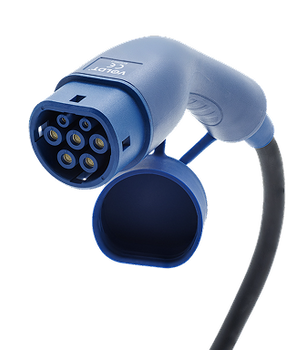
This article explains what these IP ratings mean, how the tests are performed, which materials make true weatherproofing possible, and why expert engineers insist on high ingress protection for outdoor EV charging. We put a strong focus on charging cables, because they are the component most exposed to the elements, with a reference example in the IP67 rated Voldt Type 2 cable.
What IP65, IP66 and IP67 Actually Mean
The IP rating system is defined by the IEC 60529 standard. It uses two digits: the first indicates protection against dust and the second indicates protection against water.
A first digit of 6 is the maximum dust protection level. It means dust tight. No particles are allowed to enter the enclosure. This is important because dust can create abrasion, corrosion or reduced conductivity over time.
The water protection level is indicated by the second digit:
IP65: Protected against water jets from any direction.
IP66: Protected against powerful water jets.
IP67: Protected against temporary immersion in water up to one metre for 30 minutes.
In simple terms:
IP65 handles heavy rain.
IP66 handles extreme storms or cleaning with a hose.
IP67 handles complete short term submersion.
This is why IP67 is considered the gold standard for EV charging cables that are used outdoors, where puddles, wet ground or heavy weather are always possible.
How IP Ratings Are Tested: Inside the Lab
IP testing is not arbitrary. It follows strict procedures and calibrated equipment, such as:
Dust Ingress Tests (IP6X)
To verify the dust rating, the product is placed in a sealed chamber filled with fine talcum powder. The dust is kept in motion for as long as 8 hours. In many cases a controlled vacuum is applied to the enclosure to actively pull dust toward any potential gaps. To pass IP6X, absolutely no dust may enter. After testing, the enclosure is opened and inspected for contamination. This ensures the cable or charger will not accumulate sand or grit during daily outdoor use.
Water Jet Tests (IPX5 and IPX6)
Water jet testing uses specific nozzles and flow rates:
IPX5 uses a 6.3 millimetre nozzle spraying approximately 12.5 litres per minute.
IPX6 uses a 12.5 millimetre nozzle spraying approximately 100 litres per minute.
During testing, the product is sprayed from every angle for several minutes. Water ingress must not occur. These tests simulate heavy rainfall, driving rain and even occasional cleaning with a garden hose.
Immersion Test (IPX7)
For IP67, the equipment is submerged under one metre of water for 30 minutes. After immersion, the device is opened to confirm that no water entered any cavity. Passing this test proves that the charger or cable can survive accidental flooding scenarios.
Because EV charging equipment can spend hours on the ground while in use, immersion resistance is extremely valuable. A puddle or sudden downpour should never compromise safety.
The Engineering Behind IP67 Weatherproofing
Achieving IP67 is a matter of precision engineering and high grade materials. Weatherproofing is never accidental. It is designed in from the first sketch.
Heavy Duty Cable Materials
Most premium EV cables use TPU or TPE jackets. TPU is especially common because it stays flexible in the cold, resists heat and UV light, and does not crack when bent repeatedly. It protects both the internal conductors and the sealing interface between the cable and the connector housing.
Gaskets, O rings and Sealing Geometry
All openings, seams and junctions are sealed with silicone or EPDM gaskets. These materials stay elastic from deep winter temperatures up to summer heat. They do not become brittle in frost and do not soften excessively in heat. Proper compression of these gaskets ensures no dust and no water enters the enclosure even after years of outdoor use.
Potting and Encapsulation
Critical electronics are often potted with epoxy or silicone compounds. Potting fills all internal voids, creating a solid barrier that water cannot cross. Potting also prevents condensation and corrosion over time. It is common in mobile chargers and cable connector heads.
Rugged Housing Materials
Connector housings and wallbox enclosures are typically made from PC ABS blends or reinforced plastics that resist impact, UV and temperature changes. These materials must not warp in heat or crack in cold. Any deformation could break the sealing geometry. A stable housing is essential to maintaining IP67 performance throughout the product's lifetime.
Expert Perspective: Why High IP Ratings Matter
Industry engineers and certification bodies highlight three crucial reasons why ingress protection matters for EV charging:
-
Safety
Water and electricity must never meet. Even small amounts of moisture can lead to corrosion, overheating or risk of shock if the equipment is not properly sealed. Experts consistently recommend IP65 or higher for outdoor installation and IP66 or IP67 for equipment that may sit on the ground or be exposed to extreme rain.
-
Long Term Reliability
EV charging hardware is used weekly, sometimes daily, in all weather. Dust, humidity and micro puddles on the ground can shorten the life of poorly sealed equipment. Studies from certification labs show that ingress protection failures can reduce service life to only a few years. Proper IP design avoids these failures and extends the operating lifespan significantly.
-
Consistent Performance
High ingress protection ensures that charging speed and efficiency remain stable in all conditions. A charger designed for IP66 or IP67 maintains consistent thermal management, avoids contamination of contacts and remains dependable whether it is used under a hot sun, in heavy rain or in freezing temperatures.
In short: without proper ingress protection, outdoor charging hardware will fail prematurely or present safety risks. With strong IP engineering, it becomes a reliable long term companion.
Weatherproofing Wallboxes and Mobile Chargers
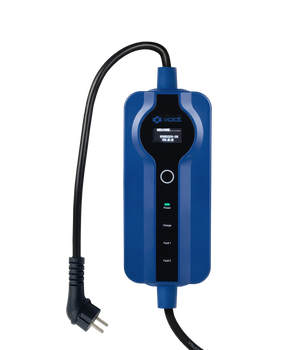
Wallboxes installed outdoors often have ratings from IP54 to IP66. A higher rating is preferable in regions with intense rain or snow. Mobile chargers, which may sit directly on wet ground, benefit significantly from IP67 shielding around the internal control electronics. These units also rely on robust strain relief, sealed cable glands and reinforced housings to maintain their protection over time.
The Voldt Type 2 Cable: A Real Example of IP67 Engineering
The Voldt Type 2 charging cable is certified IP67. This means the connectors are completely dust tight and fully protected against immersion in water. The cable uses one piece molded connectors with integrated sealing geometry. The internal contacts are corrosion resistant, and the housing materials are engineered for long term outdoor durability.
The result is a cable that can be used confidently in rain, snow or frost. Even if the connector falls into a puddle, the internal electronics remain dry and safe. The cable is tested for thousands of insertion cycles, extreme temperatures and high mechanical load. This matches the Voldt engineering philosophy: practical durability, European manufacturing quality and weather protection that does not compromise over time.
Conclusion
IP ratings are much more than marketing terminology. They are proof of rigorous engineering and certified testing. IP65 protects against normal rain. IP66 protects against extreme storms and cleaning jets. IP67 protects against temporary immersion. For EV charging cables, which experience the harshest conditions, IP67 provides strong assurance that safety and performance remain stable across European weather conditions.
By understanding how these ratings are tested and how weatherproofing is engineered, EV drivers can choose equipment that is designed for real life conditions. With high quality examples like the Voldt Type 2 cable, drivers can count on strong performance across durability, safety and everyday usability.